Furniture Pick-Up in Removals
Why Professional Furniture Pick-Up is Essential
![A family of three, consisting of a woman, a man, and a young girl, sit on the floor of a well-lit, minimally decorated room with white walls and large windows. They are surrounded by open cardboard boxes, some of which contain empty white bowls and other packing materials. The woman, wearing a pink short-sleeved top and dark jeans, is smiling at the camera while sitting on the floor with her legs crossed. The young girl, with blonde hair and wearing a blue top, is sitting inside one of the open boxes, also smiling. The man, dressed in a light blue t-shirt, is kneeling beside the girl, smiling at the camera, with his hand resting on a brown cardboard box in front of him. In the background, there are additional closed cardboard boxes stacked against the wall, suggesting an ongoing moving or packing process. The scene depicts a typical house removal or packing activity in a residential property, consistent with the offerings of a professional removals service based in the vicinity of the [POSTCODE] area near [TOWN]. The environment appears organized, and the natural light coming from the windows enhances the bright and tidy atmosphere associated with home relocations conducted by companies like Removals Man and Van.](/pub/_photos/removals/f1216149968.jpg)
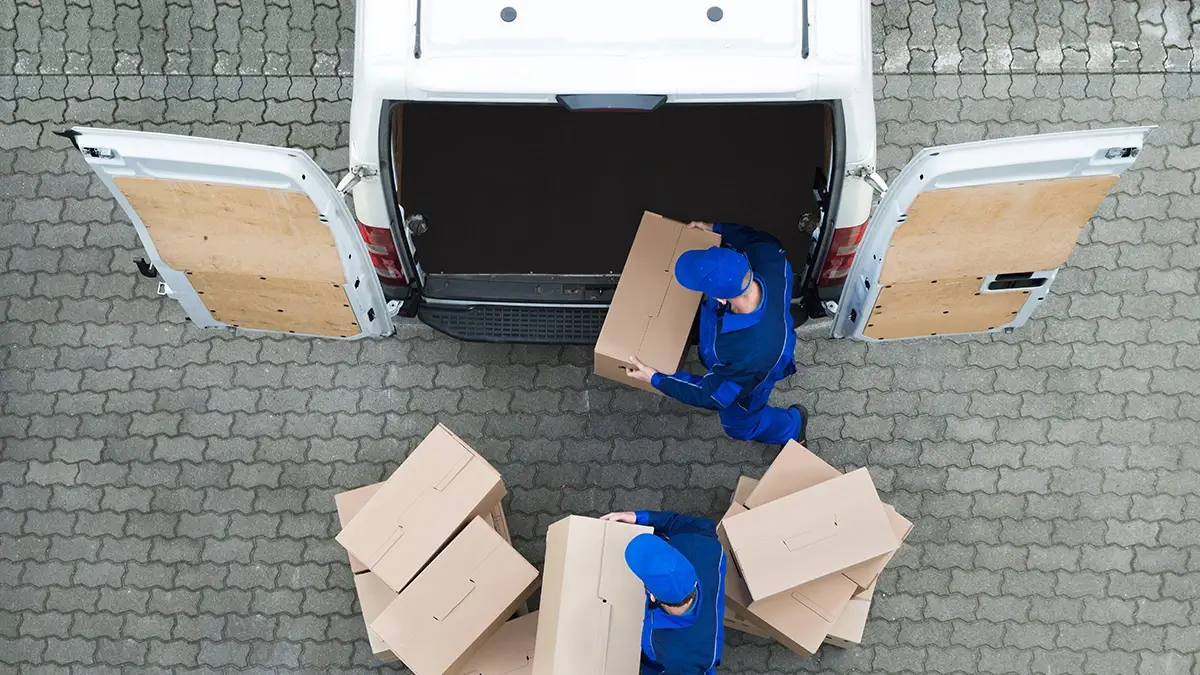
When planning a move, one of the most critical aspects to consider is the removal of your furniture. Furniture pick-up in removals is not just about transporting items from one place to another; it ensures that your belongings are handled with care and arrive safely at your new location. Engaging professional services can significantly reduce the stress associated with moving.
Professional removalists are equipped with the right tools and expertise to dismantle, pack, and transport your furniture efficiently. This minimizes the risk of damage during transit and ensures that your items are ready for reassembly at your new home.
Moreover, professional services often offer insurance options, providing additional peace of mind. This means that in the unlikely event of damage or loss, you are covered financially, safeguarding your valuable possessions.
Key Benefits of Using Professional Furniture Pick-Up Services

Opting for a professional furniture pick-up in removals comes with numerous benefits:
- Efficiency: Experienced movers can complete the pick-up and transportation process swiftly.
- Safety: Proper handling techniques prevent injuries and avoid damage to your furniture.
- Convenience: Saves you time and effort, allowing you to focus on other aspects of your move.
- Insurance: Protection against unforeseen damages provides financial security.
These advantages make professional services a worthwhile investment, ensuring a smoother and more organized moving experience.
Additionally, many removal companies offer customizable services tailored to your specific needs, whether you require full-service removal or just the pick-up and transportation of your furniture.
Steps Involved in Professional Furniture Pick-Up

The process of furniture pick-up in removals typically follows a structured approach to ensure efficiency and safety:
- Initial Consultation: Discuss your moving requirements and assess the type and quantity of furniture to be moved.
- Planning: Develop a moving plan that includes scheduling, packing methods, and transportation logistics.
- Packing: Carefully pack your furniture using appropriate materials to protect against damage.
- Disassembly: Dismantle large or complex furniture pieces to facilitate easier transportation.
- Transportation: Safely transport your furniture to the new location using specialized moving vehicles.
- Reassembly: Set up your furniture in the new space, ensuring everything is in place and functioning correctly.
Each step is handled with meticulous attention to detail, ensuring that your furniture arrives intact and ready for use in your new home.
Effective communication between you and the removal team is crucial throughout this process, ensuring that all your needs are met and any special instructions are followed.
Choosing the Right Furniture Removal Service
![A young man and a young woman, both smiling, are standing inside a well-lit residential room with a window and beige curtains in the background. They are holding plain cardboard boxes, likely used for moving or household packing, with the man on the right supporting two stacked boxes and the woman on the left carrying a single box. The woman has light brown hair tied back and is wearing a light blue sleeveless top, while the man has short dark hair and is dressed in a white t-shirt with dark blue overalls. The walls of the room have a neutral tone, and a section of a bookshelf or cabinet can be seen on the right side of the image. The scene conveys the process of house removals or furniture transportation, associated with professional removals services possibly offered by Removals Man and Van, serving areas near [POSTCODE] or [TOWN], with an emphasis on careful handling of household belongings in a professional residential setting.](/pub/_photos/removals/f1431269336.jpg)
Selecting the appropriate furniture pick-up in removals service requires careful consideration of various factors:
- Reputation: Look for companies with positive reviews and a track record of reliable service.
- Experience: Experienced removalists are more likely to handle your furniture with care.
- Services Offered: Ensure the company provides the specific services you need, such as packing, disassembly, or storage options.
- Pricing: Compare quotes from different providers to find a service that fits your budget without compromising quality.
- Insurance: Verify that the company offers adequate insurance coverage for your belongings.
Taking the time to research and choose the right service can make a significant difference in your moving experience.
Additionally, consider seeking recommendations from friends or family who have recently moved, as personal referrals can provide valuable insights into the reliability and quality of a removal company.
Preparing Your Furniture for Pick-Up
![A young couple sitting on a wooden floor inside a residential property, surrounded by stacked cardboard moving boxes of various sizes, some sealed with packing tape and others open, revealing contents. The woman has long blonde hair, is wearing a red top and dark jeans, and is giving a thumbs-up while smiling at the camera. The man, with short dark hair, wears a light blue T-shirt and dark jeans, and smiles broadly while sitting close to the woman with his arm around her shoulders. Behind them, partial views of a plain white wall and a doorway suggest an interior space ready for moving or packing. The scene is well-lit with natural light, creating a warm, welcoming atmosphere. This setting aligns with professional house removals, highlighting the process of packing and preparing for a move, which a service like Removals Man and Van might support, particularly in the [TOWN] area of [POSTCODE].](/pub/_photos/removals/f1363426728.jpg)
Proper preparation of your furniture is essential for an efficient pick-up. Here are some steps to ensure your furniture is ready:
- Declutter: Remove any unnecessary items from your furniture to make the pick-up process easier and safer.
- Disassemble: Take apart large pieces of furniture like beds, tables, and wardrobes to facilitate easier handling.
- Protect: Use blankets, padding, and protective covers to safeguard your furniture during transportation.
- Label: Clearly label each piece of furniture and its components to streamline reassembly at your new location.
- Secure Valuables: Ensure that any valuable or fragile items are securely packed or kept with you during the move.
By following these preparation steps, you can help ensure that the furniture pick-up goes smoothly and that your items remain in excellent condition throughout the move.
Additionally, communicating any specific handling instructions to your removal team can prevent misunderstandings and ensure that your furniture is treated according to your preferences.
Common Challenges and Solutions
Moving furniture can present several challenges. Here are some common issues and how to address them:
- Narrow Spaces: Navigating furniture through tight hallways or doorways can be difficult. Professional movers have the experience and tools to maneuver items safely.
- Staircases: Moving furniture up or down stairs requires careful handling to prevent damage. Removalists use specialized equipment to manage these situations effectively.
- Heavy Items: Bulky or heavy furniture can pose physical challenges. Trained movers use proper lifting techniques and equipment to handle such items.
- Weather Conditions: Adverse weather can affect the transportation process. Professional services plan for contingencies to ensure timely and safe delivery despite weather-related obstacles.
- Time Constraints: Tight schedules can add pressure to the moving process. Efficient planning and coordination by removalists help meet deadlines without compromising quality.
Addressing these challenges requires careful planning, the right equipment, and experienced personnel. Professional removal services are well-equipped to handle these issues, ensuring a smooth and hassle-free move.
Additionally, discussing potential challenges with your removal team beforehand can help in strategizing effective solutions tailored to your specific move.
Cost Factors in Furniture Pick-Up
The cost of furniture pick-up in removals can vary based on several factors:
- Distance: The distance between your current location and the new one plays a significant role in determining the cost.
- Volume: The amount of furniture and the size of the move influence the overall price. Larger moves typically cost more.
- Services Required: Additional services like packing, unpacking, or storage can increase the total cost.
- Accessibility: Moving items from or to locations with limited access may incur extra charges due to the need for specialized equipment or additional labor.
- Timing: Moving during peak seasons or on short notice can lead to higher costs due to increased demand.
Understanding these cost factors can help you budget effectively for your move. It’s advisable to obtain detailed quotes from multiple removal services to compare prices and services offered.
Additionally, asking about any hidden fees or additional costs upfront can prevent unexpected expenses, ensuring a clear understanding of the total cost involved.
Eco-Friendly Furniture Pick-Up Practices
In today’s environmentally conscious world, many removal services are adopting eco-friendly practices. Here’s how professional furniture pick-up in removals can be environmentally responsible:
- Reusable Packing Materials: Using sustainable materials like biodegradable packing peanuts or reusable crates reduces waste.
- Efficient Routing: Planning optimal transportation routes minimizes fuel consumption and reduces the carbon footprint.
- Recycling: Disposing of packing materials responsibly and recycling whenever possible contributes to environmental sustainability.
- Eco-Friendly Vehicles: Utilizing vehicles with lower emissions or hybrid models helps in reducing environmental impact.
- Green Certifications: Choosing companies that hold green certifications ensures adherence to eco-friendly standards.
Adopting these practices not only benefits the environment but also aligns with the values of customers who prioritize sustainability in their choices.
By selecting a removal service committed to eco-friendly practices, you contribute to environmental preservation while enjoying a smooth moving experience.
Customer Support and Service Quality
High-quality furniture pick-up in removals services prioritize customer satisfaction through exceptional support and service. Key elements include:
- Responsive Communication: Prompt and clear communication ensures that all your queries are addressed and you are kept informed throughout the moving process.
- Professionalism: Courteous and skilled staff enhance the overall moving experience, making interactions pleasant and efficient.
- Customization: Tailoring services to meet individual needs ensures that your specific requirements are met effectively.
- Reliability: Dependable services that adhere to schedules and commitments build trust and satisfaction.
- After-Move Support: Providing assistance post-move, such as addressing any issues or concerns, maintains a positive relationship with customers.
Ensuring high service quality and robust customer support leads to a successful and stress-free moving experience.
Moreover, reading reviews and testimonials can provide insights into the service quality of different removal companies, helping you make an informed decision.
Final Thoughts on Furniture Pick-Up in Removals
Effective furniture pick-up in removals is a cornerstone of a successful move. By choosing professional services, you ensure that your furniture is handled with care, transported safely, and set up efficiently at your new location.
From planning and packing to transportation and reassembly, the comprehensive services offered by professional removalists streamline the moving process, making it less stressful and more manageable.
With the added benefits of insurance, eco-friendly practices, and exceptional customer support, opting for professional furniture pick-up services is a wise investment that contributes to a seamless moving experience.
Don’t let the complexities of moving overwhelm you. Contact us today to book your furniture pick-up service and take the first step towards a smooth and efficient move.